
Monroy Painting
Practical, experience-backed advice from our team — whether you’re maintaining a freshly painted surface or preparing for your next project.
Over 20 years of painting homes and businesses, we’ve learned what works and what doesn’t. Here we share our most valuable insights to help you get the most out of every paint job.
Professional painters know that the surface you paint on is more important than the paint itself. Cleaning, sanding, caulking, and priming before you pick up a brush is what separates a lasting finish from one that peels in two years. Never skip the prep.
Professional painters know that the surface you paint on is more important than the paint itself. Cleaning, sanding, caulking, and priming before you pick up a brush is what separates a lasting finish from one that peels in two years. Never skip the prep.
Paint chips at a store look completely different than paint on your walls at home. Always purchase a sample and apply a large swatch — at least 12" × 12" — on the wall you plan to paint. Check it in daylight and artificial light before committing to a full gallon.
The ideal temperature for exterior painting is between 50°F and 85°F with low humidity. Avoid painting in direct midday sun, which causes paint to dry too fast and blister. Early mornings or shaded walls in the afternoon are ideal conditions for applying exterior coatings.
Start from the top and work your way down. Paint the ceiling first, then the walls, then the trim and baseboards last. This sequence ensures that any drips or splatter from higher surfaces get covered by the layers below — saving you from costly touch-ups.
Sun, rain, and foot traffic break down deck stain faster than most homeowners expect. Check your deck annually — if water no longer beads on the surface, it's time to re-stain. Keeping up with maintenance prevents expensive wood replacement down the line.
Smooth surfaces need smooth rollers (low nap). Textured walls and rough siding need thicker nap rollers to get paint into every groove. Using the wrong roller leaves an uneven finish no matter how good your technique is. Ask us if you're unsure which tools to use.
Store any leftover paint in a sealed, labeled container with the room name and color code. Touch-ups are inevitable, and the only way to make them invisible is to use the exact same paint. A can stored in a cool, dry place can last up to 10 years if properly sealed.
Two-story exteriors, tall ceilings, lead paint removal, and large commercial spaces are jobs where DIY quickly becomes dangerous or expensive. Professional painters work faster, safer, and with warranties. The cost difference is often smaller than homeowners expect.
Exterior color sets the tone for your entire property. Here are our guidelines for getting it right: pick a primary body color, a complementary trim color, and one accent shade for doors or shutters. The 60-30-10 rule — 60% body, 30% trim, 10% accent — creates visual balance without looking flat.
Popular exterior combinations in Santa Cruz and Santa Clara include warm whites with sage green trim, classic greige with white trim and navy accents, and deep charcoal with warm wood-toned doors. Want guidance? We offer color consultation as part of every free estimate.
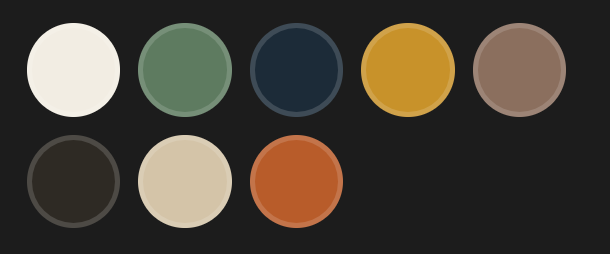
These are just a starting point. Every home has its own character — we’ll help you find the palette that’s perfect for yours.